

Melbourne’s Trusted
Home Plumbing Experts
Hot Water Repairs Melbourne


Sam & Natasha
Founders, Your Choice Plumbers
 VBA Licensed Insured
 Master Plumbers Member
 Fixed Upfront Pricing
 Local Family Owned
Sam & Natasha
Founders, Your Choice Plumbers
What Hot Water Problem Are You Experiencing?


Hot Water Repairs Work in Melbourne
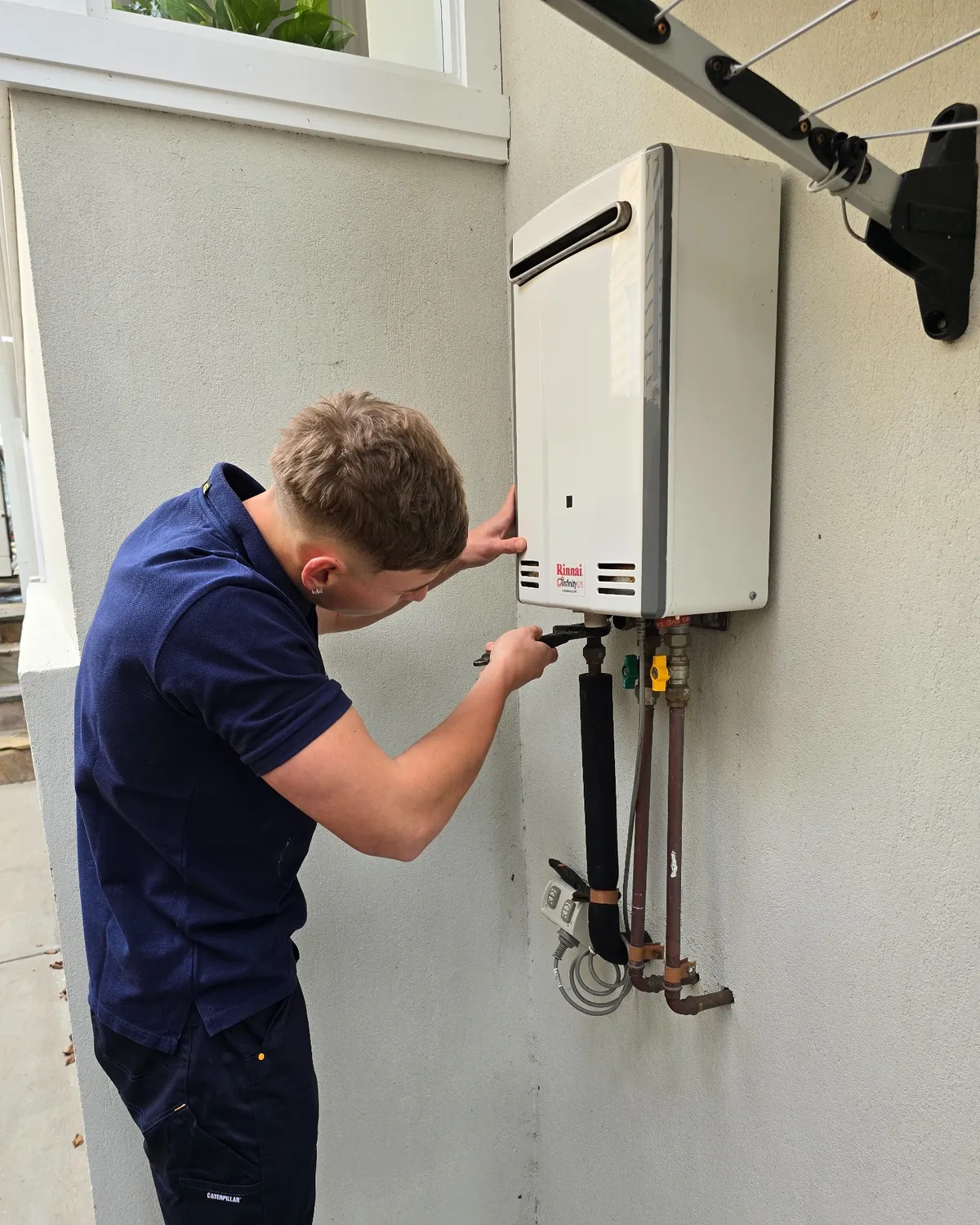
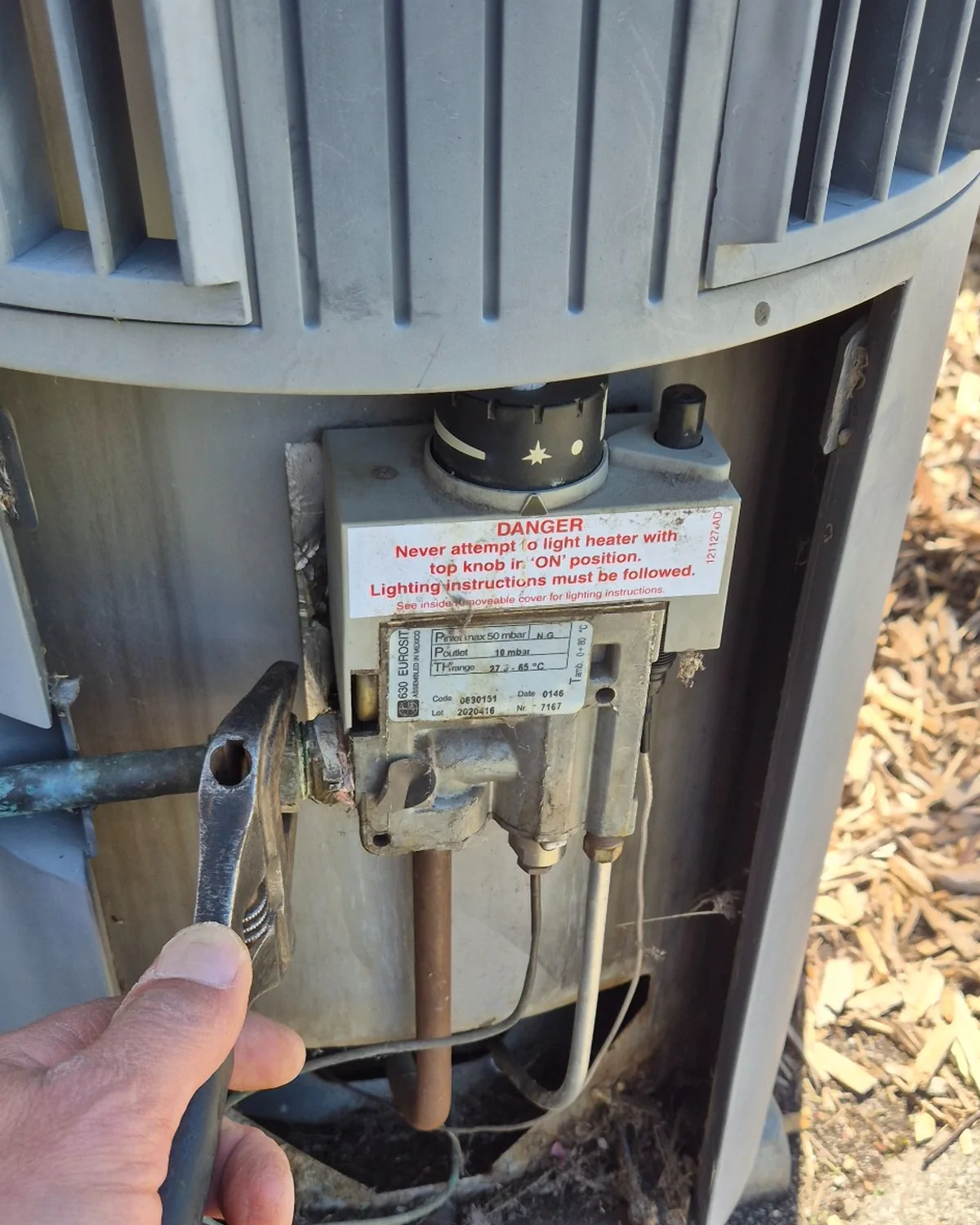
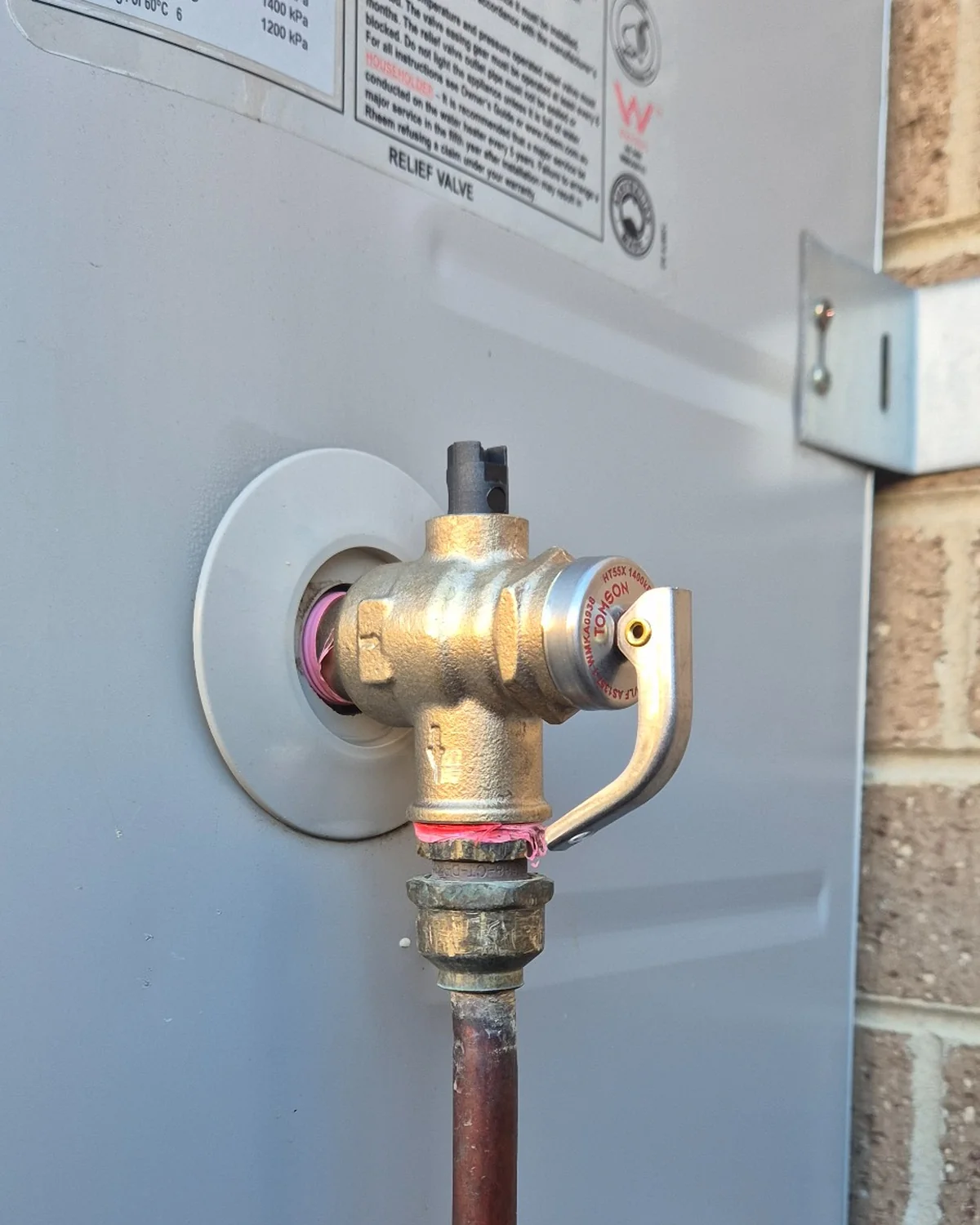
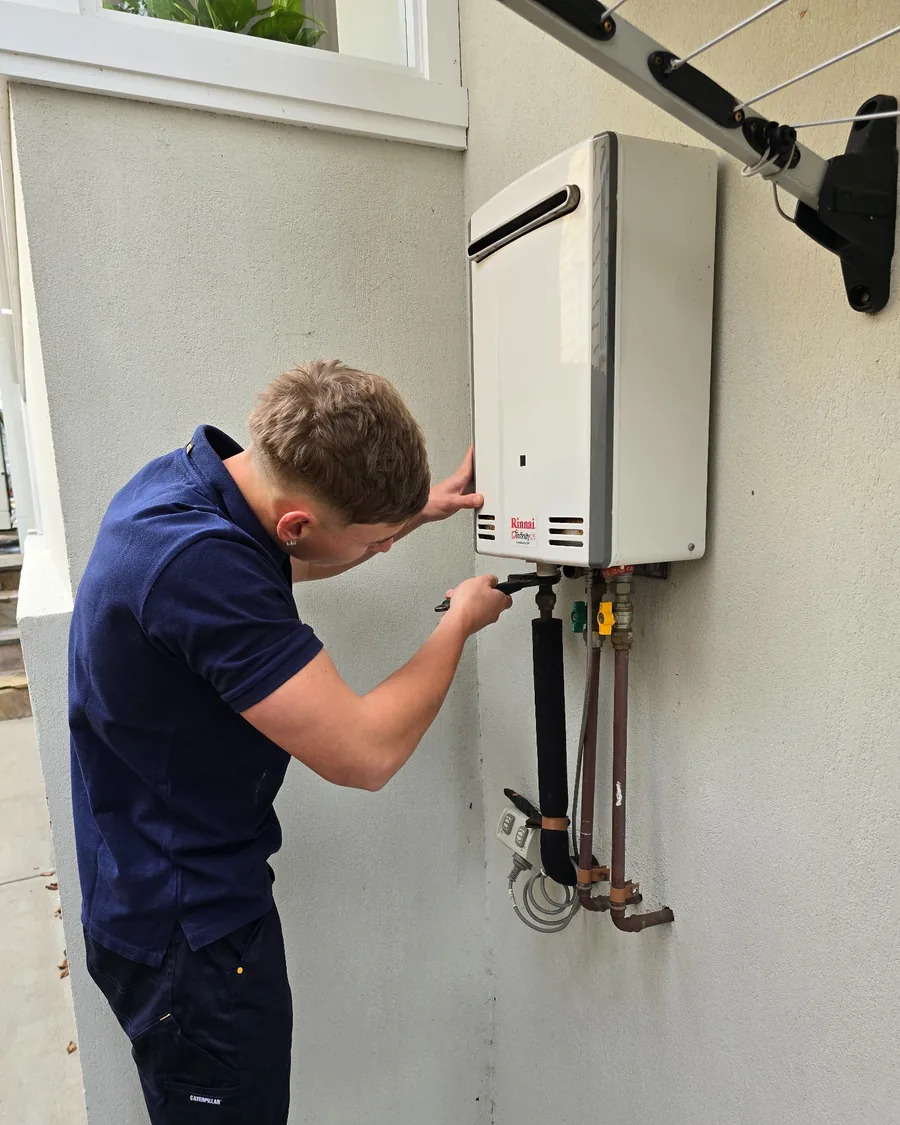
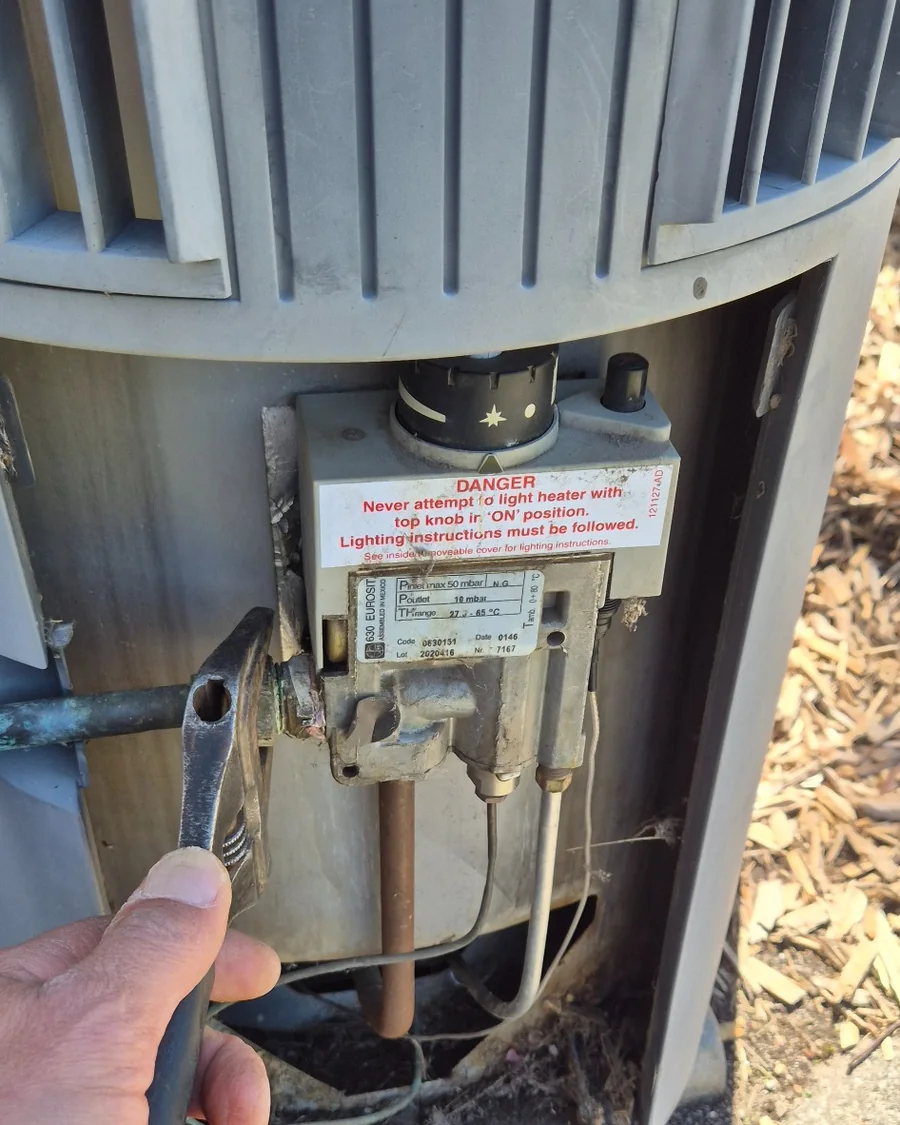
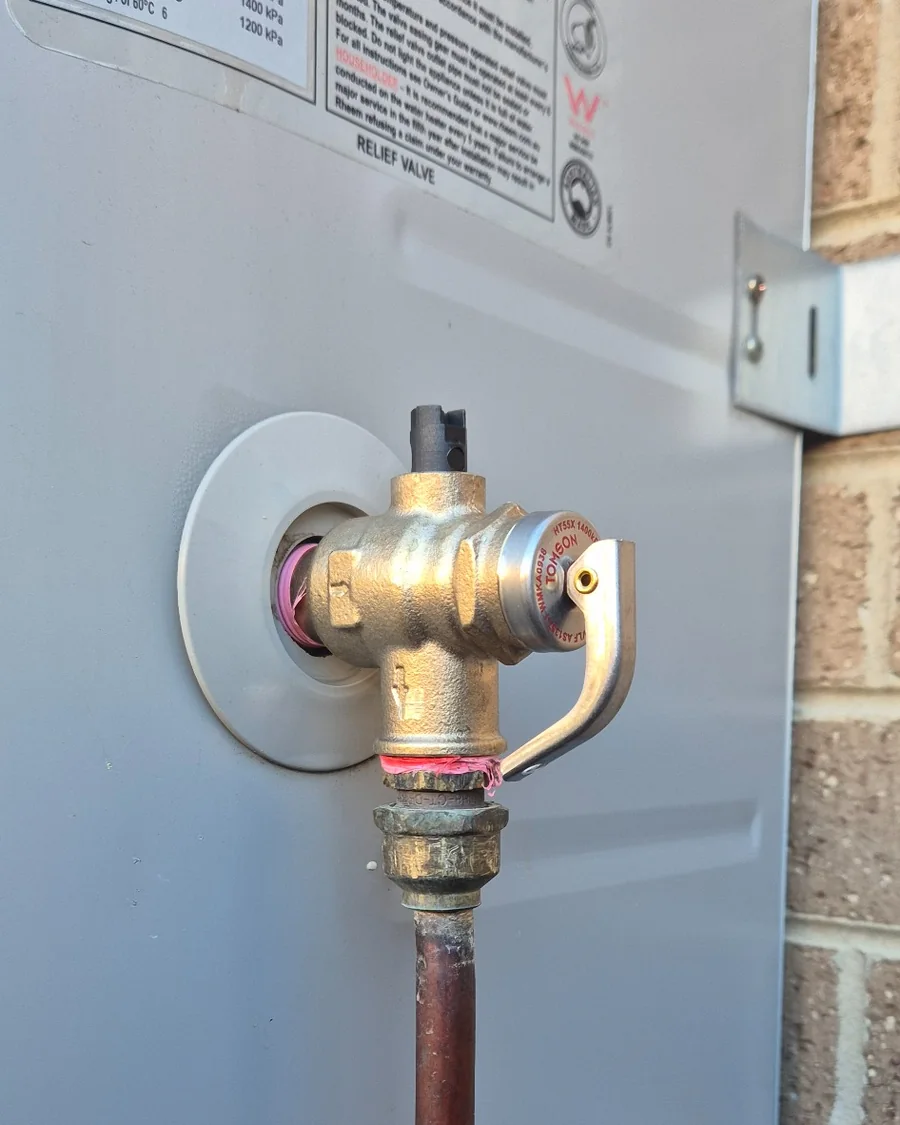
Hot Water Repairs Melbourne – What To Do First
Hot water failures usually come down to a gas ignition problem, failed heating element, thermostat fault, leaking valve, low flow issue, or a system that has simply reached the point where repair no longer makes sense. We provide fast hot water repairs Melbourne homeowners can trust, with proper diagnosis first and same-day repair or replacements.
What should I do if my hot water stops working?
Start by checking whether the pilot light, power supply, or circuit breaker has failed, but do not dismantle the system. If the problem is still there, it needs licensed diagnosis.
Is no hot water an emergency plumber job?
For most households, yes. No hot water affects bathing, cleaning, and daily use, and a leaking unit can quickly turn into property damage.
I need a hot water plumber near me — what should I do?
Shut off the unit if it is actively leaking or unsafe, then book a licensed plumber who can test the system properly rather than guessing.
Can you fix my hot water system the same day?
In many cases, yes. If the fault is in a valve, control component, ignition issue, or another repairable part, same-day repair may be possible. If the unit is beyond sensible repair, we can explain replacement options clearly.
How do I know whether it needs repair or replacement?
Age, tank condition, leak location, part availability, and overall reliability all matter. A good plumber should explain both options clearly before work starts.
Left too long, a hot water fault can leave the home without reliable hot water, increase running costs, or turn a small leak or valve issue into a much bigger repair problem.
5-Star Trust: What Our Local Customers Say About Sam, Natasha & The Team
Quick Hot Water Checks Before You Call a Plumber
Before booking a plumber, check which hot water system you have and try the simple restart step below. If it still will not relight, reset, heat properly, or you notice leaking or gas smells, stop and book a licensed plumber.
Gas Storage Hot Water Systems
If your system uses a pilot light, check whether the pilot has gone out and follow the manufacturer’s relighting instructions if safe to do so. If the pilot will not stay lit, the fault may be with the thermocouple or gas control valve. If relighting does not solve the problem, the system needs proper licensed testing.Continuous Flow Gas Hot Water Systems
These systems rely on electronic ignition. Try turning the power off, waiting 10 to 20 seconds, then turning it back on. Sometimes a simple reset clears a minor fault, but repeated failures usually point to a deeper problem that should be diagnosed professionally.
Electric Storage Hot Water Systems
If the system has suddenly stopped heating, check the circuit breaker in the meter box. If it has tripped, reset it once only. If it trips again, the heating element or thermostat may be faulty and should be tested by a licensed plumber.Solar Hot Water Systems with Booster
Check whether the booster has power or gas supply and whether the system has been reset. If the booster is not working, the water may stay lukewarm even if the solar side is still operating. If the problem continues after the basic checks, the booster and temperature-control components should be assessed properly.Heat Pump Hot Water Systems
Check the electrical supply and any error codes shown on the unit. Heat pumps can appear to be working while still underperforming, so low temperature complaints often need proper testing rather than guesswork. If you’ve checked the basics and still have no reliable hot water, the next step is proper diagnosis before the fault causes more disruption or leads to the wrong repair decision.Hot Water System Repairs Melbourne – Common Problems We Diagnose

No Hot Water
We get called to this problem all the time, and what seems like a completely dead hot water system is often a repairable fault in the ignition, heating, or control side. In other homes, no hot water is the first sign the whole system has reached the point where replacement makes more sense.
What you’re experiencing
When there is no hot water at all, the problem usually feels sudden and disruptive. The shower runs cold, the kitchen tap never heats up, and the system appears to have stopped without warning.
Likely causes
Depending on the type of unit, the problem may be caused by pilot light failure, a faulty thermocouple, gas control valve failure, a failed heating element, thermostat fault, ignition failure, or an electrical supply issue.
What we typically find on-site
In many Melbourne homes, the first visible fault is not the only one. In Brighton, we attended a home where an older Vulcan gas unit would not stay lit. At first glance it pointed to a thermocouple or gas control valve issue, but once we checked the date of manufacture we found the system was 23 years old and no longer sensible to repair as a long-term solution. In other homes, the unit itself is still repairable, but surrounding components or system age change the recommendation.
Quick check
Check whether the unit has power or gas supply and whether the pilot light is out or the breaker has tripped. If those basic checks look normal and you still have no hot water, the system needs licensed diagnosis.
Why it matters
A complete hot water failure affects the household immediately and may also point to a deeper fault that is unsafe, damaging, or more expensive if left unresolved.
What happens if ignored
What starts as a smaller repair issue can turn into a full breakdown, longer time without hot water, and a more expensive repair-or-replace decision.
If your system has suddenly gone cold and the basic checks have not solved it, book a licensed plumber now before a smaller repair issue turns into a bigger no-hot-water replacement problem.

Water Not Hot Enough
We see this often in Melbourne homes, and what seems like a failing hot water unit is frequently a temperature-control or external valve issue instead. Lukewarm water is one of the easiest hot water problems to misdiagnose if the system is not tested properly.
What you’re experiencing
The water gets warm, but never properly hot. You may also notice the temperature feels inconsistent, or one part of the house seems worse than another.
Likely causes
This is often caused by a faulty tempering valve, thermostat issue, weak solar booster performance, incorrect temperature calibration, or an ageing valve that is mixing in too much cold water before the water reaches the tap.
What we typically find on-site
In many homes, homeowners assume the tank itself is failing when the real problem is temperature control or an external valve. In Noble Park, we inspected a Rheem 170L gas hot water system that seemed to be underperforming, but the heating side was actually working. The real cause was two aged external valves — a failed duo valve affecting flow and a failed temperature control valve mixing in too much cold water. Once replaced and recalibrated, the system delivered proper temperature and pressure again.
Quick check
Check whether the lukewarm water is affecting all fixtures or mainly bathrooms. If one area is worse than the others, that may point to a temperature-control issue rather than total system failure.
Why it matters
Poor hot water temperature is not just frustrating. It can point to a compliance issue, poor performance, wasted energy, or unsafe water delivery settings.
What happens if ignored
The problem usually gets worse over time, and many homeowners end up replacing a unit unnecessarily when the real issue was a valve or control component that should have been tested first.
If your hot water stays lukewarm across the house, arrange professional testing before you spend money replacing a unit that may only need the right valve or temperature-control repair.

Running Out of Hot Water
We get called to this problem regularly, especially in homes where the system still works but no longer keeps up with normal use. What feels like a simple hot water shortage is often a sign the unit is underperforming, undersized, or no longer the right fit for the household.
What you’re experiencing
You get some hot water, but it runs out much faster than it should. The first shower may be fine, but the second or third leaves the household short, and the system no longer seems to keep up.
Likely causes
Common causes include an undersized hot water unit, a heating element or burner that is not recovering properly, thermostat issues, booster faults, or increased household demand that the current system can no longer handle efficiently.
What we typically find on-site
This problem often sits right between repair and replacement. In Brighton, the older gas hot water system had already started shutting down, but another major issue was that the growing family was regularly running out of hot water. Even if one component had been repaired, the system was no longer the right long-term fit for the home. We commonly find that a household has outgrown the unit, or the system is no longer recovering properly even though it still partially works.
Quick check
Pay attention to whether the problem happens every day, only after multiple showers, or even after the system has had time to recover. That pattern helps show whether the issue is demand, recovery speed, or overall system suitability.
Why it matters
A system that cannot keep up creates daily frustration, wastes energy, and often leads to repeated service calls without solving the actual long-term issue.
What happens if ignored
Homeowners often keep adjusting routines around the problem while performance continues to decline. Over time, that can mean higher running costs, more breakdowns, and a rushed replacement decision later.
If your hot water is running out faster and faster, do not keep working around the problem — have the system assessed properly so you know whether it needs repair, recalibration, or a more suitable replacement.

Leaking Hot Water System
We see this all the time, and homeowners often assume the tank has failed when the leak is actually coming from a valve or connection nearby. In other cases, what looks like a minor drip is the warning sign that the system is at the end of its life and should not be ignored.
What you’re experiencing
You may see water pooling around the base of the unit, dripping from valves or fittings, moisture on nearby pipework, or discharge that keeps running even when it should not.
Likely causes
The leak may be coming from a pressure relief valve, duo valve, pipe fitting, inlet control component, excessive water pressure, or the tank itself beginning to fail. Where the water is coming from makes a major difference to the repair decision.
What we typically find on-site
Many Melbourne homeowners assume the cylinder has split when the leak is actually from a valve or connection that can be repaired. In other cases, the opposite is true — the visible leak looks minor, but the tank has reached the end of its life and replacement is the only responsible option. We also regularly find excessive mains pressure putting stress on the hot water system, which is why proper leak diagnosis should always include pressure awareness, not just a quick visual check.
Quick check
Look at whether the water appears to be coming from a valve or pipe connection, or from the actual body/base of the cylinder. If the tank itself is leaking, repair is usually not the right long-term solution.
Why it matters
Even a small leak can damage surrounding areas, waste water, and indicate a larger failure developing inside the system or pressure-control setup.
What happens if ignored
A controllable leak can turn into wider water damage, a burst failure, or a more urgent replacement situation — especially if the unit is old or the pressure is too high.
Hot Water System Repair vs Replacement – How Do You Know Which Is Right?
Many homeowners are not sure whether their system needs a repair or whether replacement is the smarter option. The answer usually depends on the age of the unit, whether the tank itself is failing, the cost of the repair, the condition of the external valves, and how reliable the system is likely to be afterwards.
In some homes, the problem is a repairable component such as a duo valve, tempering valve, thermostat, burner issue, or heating element. In others, the visible fault is only part of the story. We often find older units where a repair may restore operation temporarily, but the overall system is already near the end of its useful life.
That is why we diagnose the full setup before recommending work. If repair is the sensible option, we will explain why. If replacement will save you repeated breakdowns, poor performance, or wasted money, we will tell you that clearly too.
We’ll explain clearly whether the system is worth repairing or whether replacement will save you repeated breakdowns and wasted money.
What Causes Hot Water Systems to Fail Earlier in Melbourne Homes?
Hot water systems do not usually fail for one single reason. In many homes, the damage builds over time through a combination of age, pressure, neglected valves, temperature-control faults, and poor-quality previous plumbing work.
Excessive Water Pressure
Melbourne mains pressure often exceeds the safe residential limit of 500 kPa. That constant stress shortens the life of relief valves, tempering valves, duo valves, flexi hoses, and the hot water system itself.
Learn more here: Pressure Reducing Valve
Aged External Valves
As the Noble Park case showed, a hot water unit can appear to be failing when the real issue is aged external valves left in service too long. Temperature control valves and duo valves are often overlooked until flow, pressure, or delivery temperature becomes a problem.
Related information: Burst Pipe Repair
Poor Temperature Control
Incorrectly functioning tempering valves can leave the water too cool, unstable, or unsafe. Proper testing and calibration matter, especially in bathrooms and homes with children or older residents. Related information: Tempering Valve
Old Systems Nearing End of Life
Once an older storage unit reaches a certain age, even a successful repair may only buy limited time. That was the case in Brighton, where age and tank risk made replacement the smarter long-term option.
Unresolved Leaks and Water Hammer
Small pressure-related faults can grow into larger issues affecting the wider plumbing system. If your home also has banging pipes or signs of pressure shock, see: Water Hammer Repair
Our Hot Water Repair Process
Step 1: Diagnose the Real Cause
We inspect the system type, test operation, check external valves, assess temperature delivery, and measure water pressure where relevant. This helps separate a repairable fault from a unit that is no longer worth repairing.
Step 2: Explain Repair vs Replacement Clearly
You get honest advice in plain homeowner language. If the problem is a failed valve, thermostat issue, burner fault, heating element, or another repairable component, we explain that. If the tank is too old or the repair would only be temporary, we explain that too.
Step 3: Carry Out Compliant Plumbing Work
Where the repair is appropriate, we complete the work to current plumbing standards using the right parts and proper commissioning. If replacement is needed, we can often guide you through the best option for your household usage and layout.
Step 4: Check Temperature, Pressure, and Safety
Repairs do not stop at “it works again.” We also assess whether high pressure, poor temperature control, or other compliance risks are likely to shorten the life of the system again.
You will get clear, honest advice first — not pressure, guesswork, or a rushed recommendation. Our goal is to help you understand whether the system is repairable, whether replacement makes more sense, and what will protect your home best long term.
Hot Water Repairs Melbourne – Real Case Studies & Results from Sam, Natasha & The Team
23-Year-Old Hot Water System Replaced in Brighton VIC 3186
At a Brighton home, the family was left without hot water after their ageing Vulcan 135L gas storage system shut down completely and the pilot would not stay on. After checking the unit, we confirmed it was manufactured in 2002, making it 23 years old and no longer a smart repair option. Instead of spending money on short-term parts for an end-of-life system, the homeowner upgraded to a Rheem Stellar 135L high-performance gas hot water unit with a stainless steel cylinder for better reliability, stronger household hot water performance and longer-term value. Read more: 23-year-old hot water system replaced with Rheem Stellar in BrightonHot Water Valve Failure Diagnosed in Noble Park VIC 3175
At a Noble Park home, the owner was experiencing low hot water pressure and lukewarm water from a Rheem 170L gas hot water system. Our inspection confirmed the hot water unit itself was working correctly, but two aged external valves were causing the real problem. The failed duo valve was restricting pressure and flow, while the failed temperature control valve was mixing in too much cold water. We replaced the faulty valves, restored proper hot water delivery, and calibrated the temperature control valve to provide safe, compliant hot water below 50°C. Read More: Hot water valve failure diagnosed and repaired in Noble ParkGas Hot Water System Replaced Before Failure in Parkdale VIC 3195
At a Parkdale home, the owner chose to replace an ageing Rheem 27 continuous flow hot water system before it failed unexpectedly. Rather than waiting for a no-hot-water emergency, the homeowner wanted a planned upgrade that provided stronger reliability, better efficiency and more control over the replacement decision. We supplied and installed a Rinnai Infinity B26 natural gas continuous flow system, giving the home a more efficient long-term hot water solution and reducing the risk of a rushed emergency replacement later. Read more: Gas hot water system replaced proactively with a Rinnai B26 in ParkdaleHot Water System Brands We Repair & Replace – Gas & Electric






Licensed Hot Water Repairs, Compliance, and Peace of Mind
At Your Choice Plumbers hot water plumbing is not a guessing game. Whether the issue involves gas, heated water delivery, pressure protection, or replacement of a key component, the work must be carried out correctly and compliantly.
Licensed Plumbing Work Matters
Gas hot water systems, hot water replacements, temperature-control components, and related plumbing work should only be handled by appropriately licensed professionals.
Certificate of Compliance Where Required
Where the work meets the legal threshold, a Certificate of Compliance applies. This is particularly relevant for hot water installations, system replacements, and certain gas hot water works.
Warranty and Insurance Protection
Where a Certificate of Compliance is required, it provides the benefit of mandatory plumbing insurance and the applicable six-year workmanship protection under the compliance framework.
Complimentary Property Protection Audit
Every completed plumbing job with Your Choice Plumbers includes our Complimentary Property Protection Audit to help protect your home from preventable water damage and compliance risks. As part of this process, we check for key issues that many homeowners never realise are putting their property at risk, including:
- excessive water pressure above 500 kPa, which can stress taps, mixers, valves, appliances, and pipework
- flexible braided hoses that may be rusted, swollen, poorly supported, or approaching failure
- hot water temperature risks, including scalding concerns where household delivery temperatures are not properly controlled
- visible signs of ageing plumbing components that may fail unexpectedly

This is especially important on everyday home plumbing visits, because repeated fixture failures, hot water issues, leaks, and valve problems can sometimes point to broader pressure or plumbing system stress.
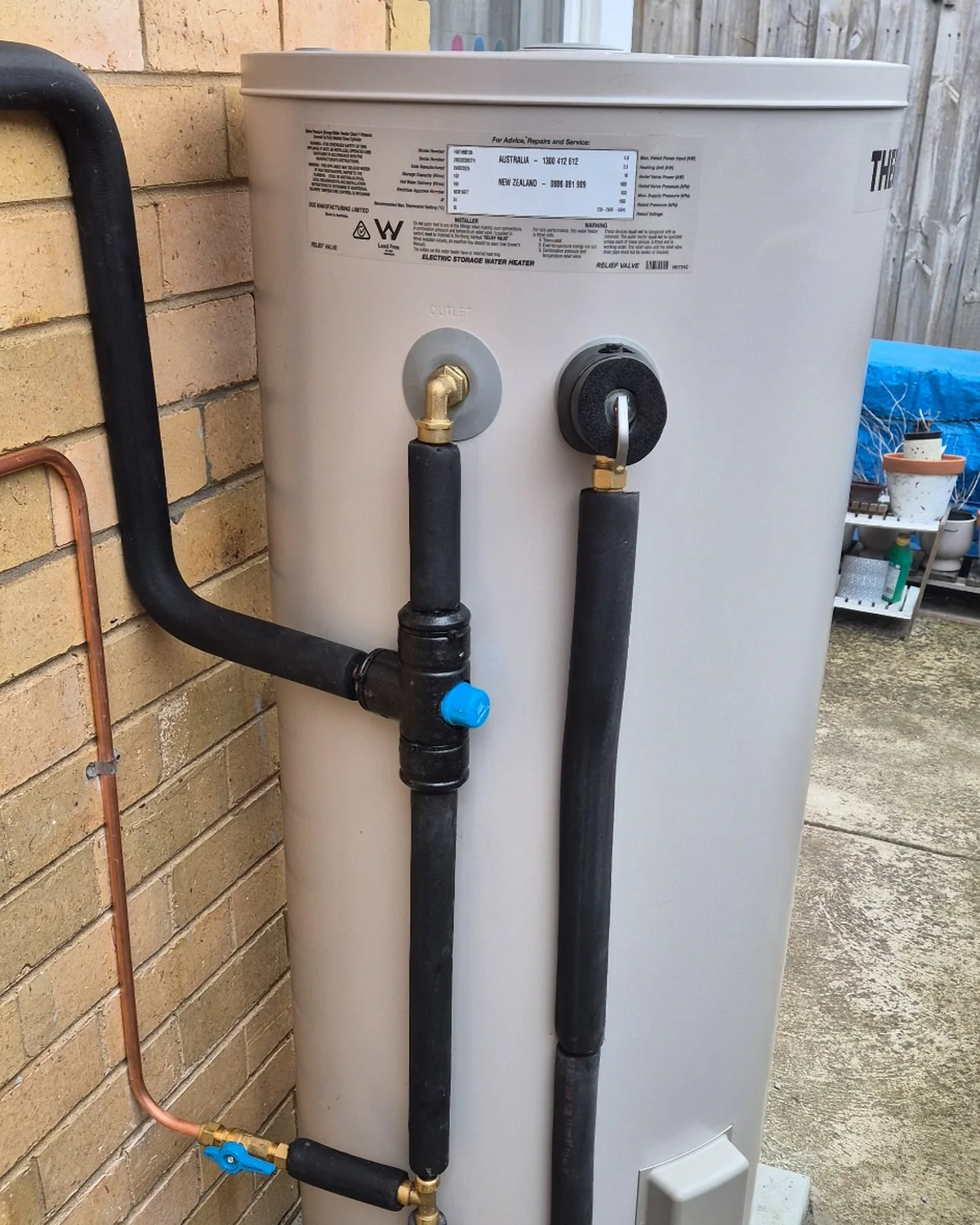
Related Plumbing Services
If your hot water fault is tied to another plumbing problem, we can help with that too. Where high water pressure is shortening the life of valves and appliances, we may recommend a professional pressure limiting valve installation. If temperature control at the bathroom fixtures is unstable or unsafe, our tempering valve servicing and compliance work may be relevant.
Homes with wider plumbing stress or leak issues may also benefit from our water leak detection service, burst pipe repair service, or help with related fixture faults such as leaking taps, leaking toilets, and leaking showers.
For a broader overview of prevention-focused plumbing support, visit our Prevention page.
Service Areas Across Melbourne
We provide professional hot water repairs Melbourne homeowners can rely on across the south-east and bayside corridor, including:
 Plumber Bentleigh
Hot Water Repairs Melbourne FAQs
How do I know if I need repair or full replacement?
The answer usually comes down to the age of the system, whether the tank itself is failing, the cost of the repair, and how reliable the unit is likely to be afterwards. A good plumber should assess both the system and the surrounding components before advising.
What is the most common cause of no hot water?
It depends on the unit type. Common causes include pilot light failure on gas systems, faulty heating elements on electric systems, ignition issues on continuous flow units, or failed valves affecting delivery.
Can a hot water problem cause low pressure as well as poor temperature?
Yes. Aged duo valves, inlet controls, and temperature-control valves can affect both flow and temperature at the same time, which is why proper diagnosis matters.
Can high water pressure damage a hot water system?
Yes. Excessive pressure can shorten the life of the tank, valves, flexi hoses, and other plumbing components. It is one of the most common hidden causes of premature plumbing failure in Melbourne homes.
How much do hot water repairs cost in Melbourne?
The cost depends on what is actually failing. A valve or component repair is very different from a major system fault or full replacement. Proper diagnosis first helps you avoid spending money on the wrong solution.
Should I repair or replace my hot water system?
That depends on the age of the system, the condition of the tank, the type of fault, and whether the repair is likely to give reliable long-term performance. In many cases, the right diagnosis makes the answer clear.
Is a leaking hot water system dangerous?
It can be. Some leaks are limited to valves or fittings, while others indicate pressure problems or tank failure. Even a small leak can worsen and cause damage if left too long.
Can I fix a hot water system myself?
Basic checks like power supply, breaker status, or manufacturer reset steps may be reasonable, but repairs involving gas, electrical components, plumbing valves, or hot water delivery should be left to licensed professionals.
Should I turn my hot water system off if it is leaking?
If the unit is actively leaking or appears unsafe, isolating it may be the safest immediate step, but the fault should still be assessed properly to confirm whether the leak is coming from a valve, fitting, or the tank itself.